
Marketing Burnout: Why Marketing No Longer Feels Sustainable
If marketing feels harder and more overwhelming than it used to, you are not imagining it.
Many small business owners are quietly exhausted by the pressure to show up everywhere, say the right thing, follow the latest tactic, and keep up with platforms that seem to change weekly. What was once meant to help businesses grow now often feels like a constant drain on time, energy, and confidence.
This is marketing burnout, and it is becoming one of the most common, and least talked about, challenges for Australian businesses.
This article is not about fixing your marketing overnight. It is about understanding why marketing stopped feeling sustainable, and how to approach it in a way that supports your business rather than depletes you.
Before we go any further, I want to share why I am approaching this conversation differently.
The video below explains why I nearly walked away from marketing in 2025, and why I am choosing to talk about marketing in a calmer, more human way moving forward.
Why marketing feels so difficult right now
Modern marketing rarely fails because business owners are not trying hard enough. It fails because the environment around it has become noisy, fragmented, and emotionally demanding.
Some of the biggest contributors include:
Fear-based messaging everywhere
“Miss this trend and you will fall behind.”
“Do this now or your business will disappear.”These messages create urgency without context and pressure without clarity.
A classic example of this is SEO... I have seen a huge amount of marketing from agencies claiming “SEO is dead”. This is simply not true. SEO is changing quickly, but it remains the foundation of modern marketing, especially as search behaviour and AI discovery evolve.
I have had panicked clients call me stressed and overwhelmed after seeing this messaging, only to find that what they were being warned about was already accounted for in their strategy. Fear sells attention, but it rarely tells the full story.
Hustle culture disguised as strategy
Posting daily, launching constantly, chasing visibility instead of stability. Activity is often confused with progress, and rest is framed as falling behind.Platform overload
Social media, email, SEO, ads, video, short-form, long-form. Each platform demands a different version of you, and very few explain how they fit together.Conflicting advice
One expert says niche down. Another says go broad. One says sell more. Another says give everything away. The result is paralysis, not momentum.
Over time, this creates a feeling that marketing is something you must endure rather than something that serves your business.
When marketing stops feeling aligned
Burnout often shows up quietly.
It looks like procrastinating on posting.
Second-guessing every message.
Feeling resistant to “doing more marketing” even though you know visibility matters.
This is usually not laziness or lack of discipline. It is a sign that the way marketing is being framed no longer matches how you want to operate as a business owner.
Many people reach a point where they ask themselves:
Why does everything feel so urgent?
Why does this feel manipulative rather than helpful?
Why am I constantly reacting instead of building something steady?
These questions are not a failure. They are a recalibration.

Reframing marketing as a system, not tactics...
One of the most helpful mindset shifts for reducing marketing burnout is moving away from seeing marketing as something you perform daily, and instead viewing it as a system that works quietly over time.
A sustainable marketing system focuses on:
Clear messaging that does not need constant reinvention
Assets that compound, such as websites, blogs, and videos
Trust built through consistency, not urgency
Fewer platforms, used intentionally
Marketing does not need to shout to be effective. It needs to be clear, searchable, and reliable.
Genuinely helpful ways to reduce marketing burnout
These are not hacks or growth tricks. They are stabilising practices that make marketing feel manageable again.
1. Choose fewer channels and commit to them properly
You do not need to be everywhere. Most small businesses perform better when they choose one or two primary channels and support them well.
Ask yourself:
Where do my customers actually look for information?
Which platform feels most natural for me to maintain?
Depth beats presence. Consistency beats novelty.
2. Build marketing assets that last longer than a post
Short-form content disappears quickly. Long-form content continues working.
Examples include:
A clear, well-structured website
Educational blog posts that answer real questions
Videos that explain how you work or what you believe
These reduce pressure because they keep doing their job even when you are not actively posting.
3. Replace urgency with clarity
Instead of asking “How do I sell this faster?”, try:
“What does someone need to understand before they choose me?”
“What questions do people ask before they enquire?”
Marketing built on clarity helps people make decisions without being pushed. That builds better clients and stronger relationships.
4. Stop measuring success by volume alone
More posts, more emails, more content does not automatically mean better results.
More helpful metrics to watch include:
Are enquiries better qualified?
Are conversations easier?
Do people reference your content when they contact you?
These are signs of trust, not noise.
5. Give yourself permission to slow the pace
Sustainable marketing allows for seasons.
There will be times when you create more, and times when you maintain. Burning yourself out to stay visible helps no one, especially not your business.
Marketing that supports your life will always outperform marketing that drains it.
Reflection prompts for business owners
If marketing feels to hard right now, pause and reflect on these questions:
Which parts of my marketing feel forced rather than natural?
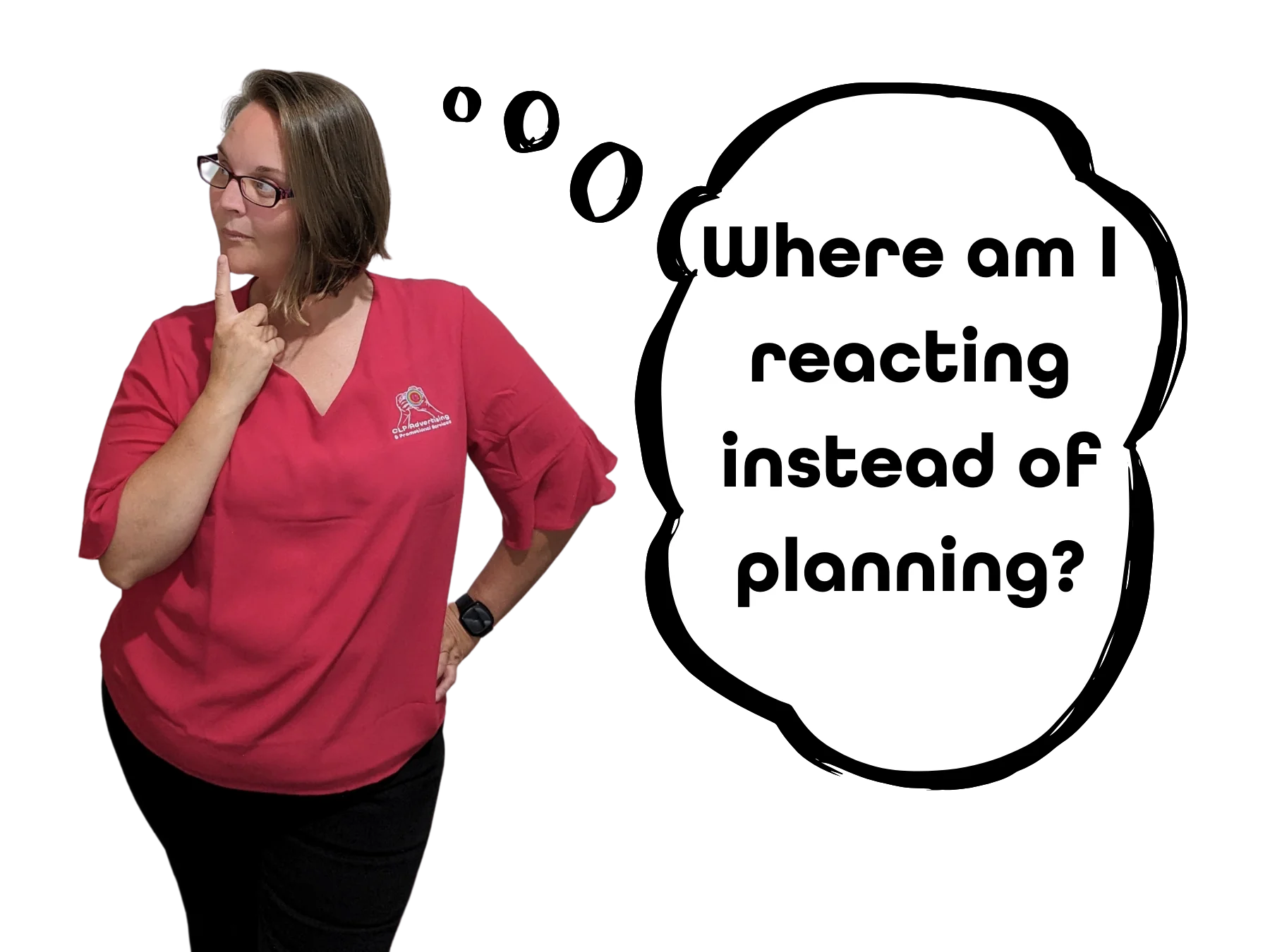
Where am I reacting instead of planning?
What would calm, consistent marketing look like for my business?
If I removed urgency, what would still matter?
You do not need to answer everything at once. Even small clarity shifts can relieve a lot of pressure.
A calmer way forward
Marketing does not have to feel like a treadmill you cannot step off.
When it is built around trust, clarity, and systems rather than fear and volume, it becomes something that quietly supports your business instead of demanding constant attention.
If you are feeling burnt out, it is not because you are doing marketing wrong. It is because the version of marketing being promoted most loudly is not designed for sustainability.
There is another way to do this. Slower. Clearer. More human.
And it works.
What this looks like in practice
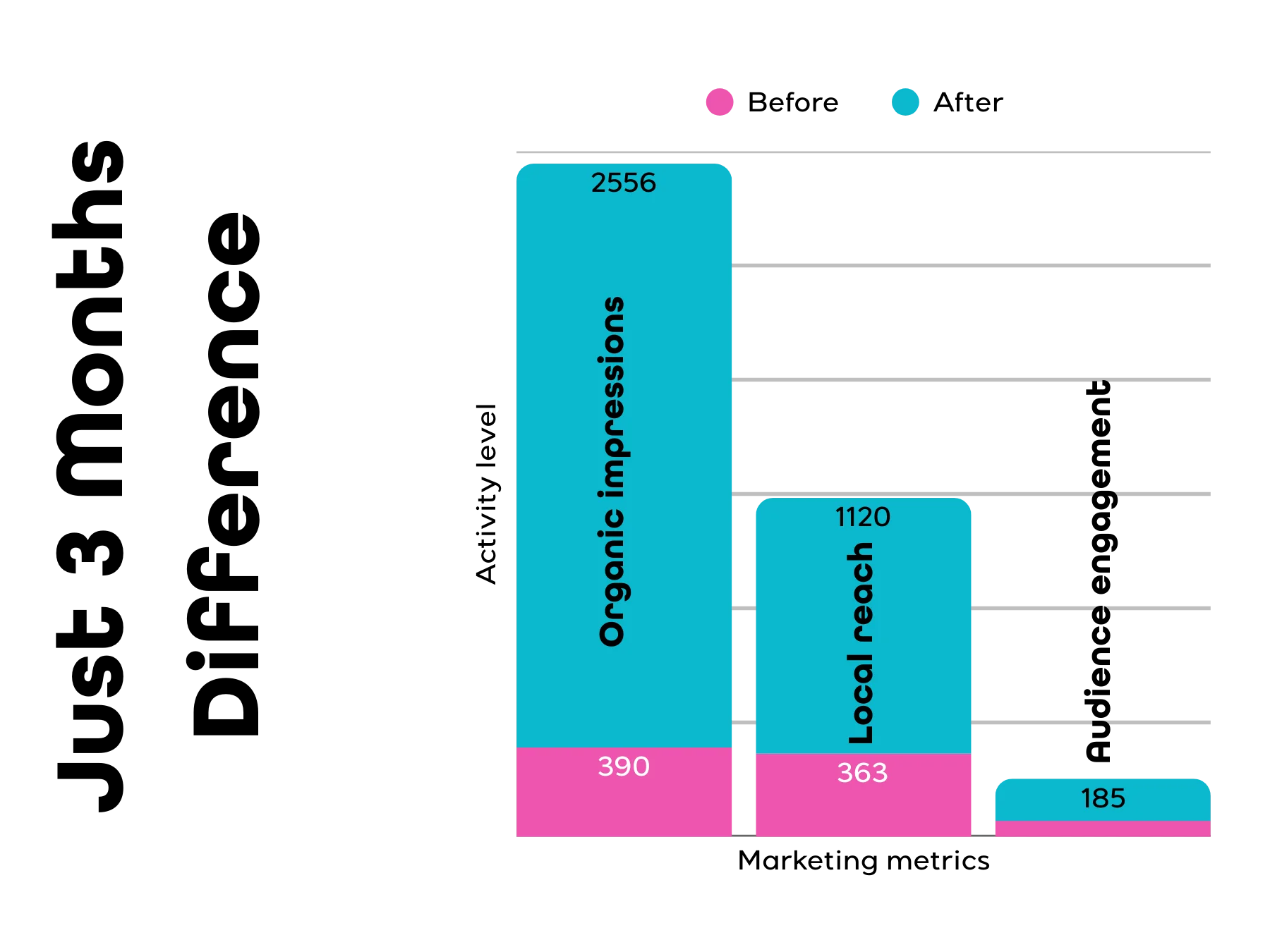
The chart below shows anonymised performance data from a local service business comparing two consecutive quarters:
Before: 4 July to 1 October 2025
After: 2 October to 30 December 2025
Organic content impressions increased by 555 percent
Local reach increased by 209 percent
Total engagements increased by 168 percent
These results were driven by educational, trust-based content and a reduced reliance on urgency-led tactics.
Related reading:
Confessions of a Digital Marketer: My Moral Dilemma of Keeping Your Business Online
If this approach resonates with you, you can also subscribe to my YouTube channel, where I share practical, marketing guidance for real businesses.
FAQ's


